
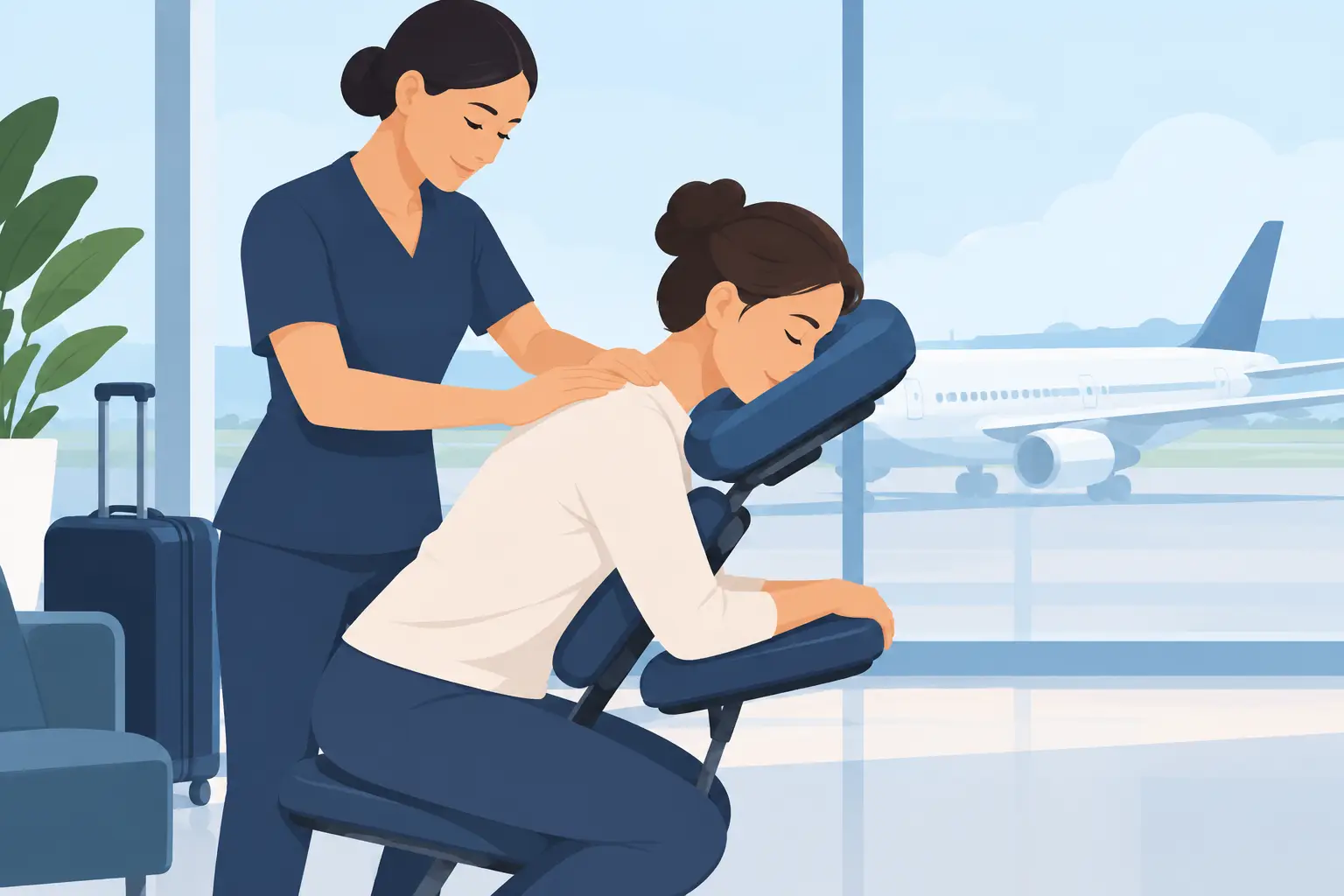
Your vacation may begin the moment you land in Turks and Caicos, but your body often arrives a little later. Hours in a narrow airline seat can leave your lower back tight, your legs heavy, and your mind caught somewhere between time zones. The best massage for travel fatigue is one that addresses that full-body feeling – not simply sore muscles, but the sluggishness, swelling, restlessness, and tension that can follow a long journey.
A well-chosen massage helps create a gentler transition from airport mode to island time. It gives your body permission to release the effort of travel so you can settle into the beach, your villa, and the slower rhythm you came here to enjoy.
Why Travel Fatigue Feels So Physical
Travel fatigue is not always just a matter of needing more sleep. Sitting for long periods can make the hips, neck, shoulders, and calves feel stiff. Dry cabin air and disrupted hydration routines may leave the skin and muscles feeling less comfortable, while crossing time zones can make it difficult to fully relax even after you have unpacked.
There is also the quieter strain of travel: carrying luggage, navigating airports, keeping reservations organized, and arriving with a long list of plans for the days ahead. Many guests notice that their bodies remain braced long after the flight is over. A thoughtful massage invites that tension to soften.
The right treatment depends on how you feel when you arrive. If your whole body feels depleted, warmth and long, flowing strokes may be more restorative than intense pressure. If one area is particularly tight after carrying bags or sleeping awkwardly in transit, more focused therapeutic work may be the better choice.
The Best Massage for Travel Fatigue Is Often Abhyanga
For travelers who feel tired from head to toe, an Ayurvedic Abhyanga massage is often the most nourishing choice. This traditional ritual uses warm herbal oils and rhythmic, flowing massage techniques designed to create a profound sense of ease. Rather than concentrating only on one sore area, the treatment honors the body as a whole.
The feeling of warm oil on travel-weary skin can be especially comforting after the cool, dry environment of an airplane. Gentle, steady strokes encourage you to slow down, while customized pressure can address the shoulders, lower back, feet, and legs without leaving you feeling overworked. It is an indulgent experience, but it also has a purpose: to help the body move from alertness into rest.
Abhyanga is particularly lovely on the first day or two of a trip, when your energy is low but you still want to feel present for your vacation. It may also suit honeymooners and couples looking to begin their stay with a shared ritual of reconnection instead of rushing straight into a packed itinerary.
At Ayur Spa, this ancient wellness tradition is approached with the sensory care it deserves – warm herbal oils, expert hands, and a treatment pace that lets you fully exhale.
When Another Massage May Be a Better Fit
Abhyanga is not the only answer. The best treatment should reflect what your body is asking for, not follow a one-size-fits-all idea of recovery.
For stubborn knots in the neck, shoulders, or back
A therapeutic or deep tissue massage can be helpful when travel has aggravated a familiar tight spot. Perhaps you spent hours leaning toward a window seat, lifting a carry-on into an overhead bin, or working from your phone while in transit. Focused work can help ease persistent muscle tension and restore more comfortable movement.
Still, deeper pressure is not always ideal immediately after a dehydrating flight. If you feel drained, sensitive, or headachy, begin with lighter pressure and plenty of water. Effective massage does not need to be painful to feel meaningful.
For heavy-feeling legs and mild puffiness
A gentle lymphatic-style massage may feel especially refreshing after extended sitting. This light, intentional bodywork is designed to support a sense of circulation and comfort, particularly in the legs and ankles. It is a graceful choice for guests who want to feel lighter before a special dinner, beach day, or event.
This is not the same as medical treatment for significant swelling. Sudden, painful, one-sided, or persistent swelling should always be assessed by a medical professional before booking a massage.
For a tired mind as much as a tired body
Sometimes the most noticeable symptom of travel fatigue is that you cannot switch off. You may be physically still, yet your thoughts are racing through flight delays, work messages, or tomorrow’s plans. In that case, a relaxing aromatherapy-style massage or a gentle full-body ritual may offer more value than intensive muscle work.
Ask for an unhurried pace, calming oils, and a treatment that includes the scalp, hands, and feet. These smaller areas carry more tension than many travelers realize.
Book Your Massage at the Right Moment
For most guests, a massage within the first 24 to 48 hours after arrival is a beautiful way to reset. You have had time to hydrate, shower, and settle into your accommodations, but you have not yet spent several days compensating for travel discomfort.
If you arrive very late, feel exhausted, or have had little water during your journey, consider resting first and booking for the following morning or afternoon. A treatment should leave you replenished, not ask more from a body that is already running on empty.
There is a practical advantage to scheduling early, too. When you feel comfortable from the beginning of your stay, you are more likely to enjoy every part of it – the first swim, the sunset meal, the long walk on the sand, and the quiet morning coffee on the terrace.
Make the Massage Part of Your Arrival Ritual
The treatment itself is only one part of recovering well. Drink water before and after your massage, especially after flying. Choose a lighter meal if you can, and allow a little open space afterward rather than heading immediately to a strenuous excursion. Your body responds beautifully when you let relaxation continue.
A warm shower before the massage can help you arrive feeling refreshed. Afterward, take your time getting dressed and avoid rushing back to screens or obligations. If you have chosen an oil-based Ayurvedic ritual, letting the nourishing oils remain on the skin for a while can extend the experience.
For villa guests, an in-room massage has a special appeal. There is no need to re-enter traffic or change back into vacation mode after your treatment. You can move from the massage table to a shaded chaise lounge, a quiet bath, or an early night with ease. Beachside treatments can be equally memorable when conditions are calm, though a private indoor setting may be more comfortable if the sun, breeze, or sand feels distracting.
When to Wait Before Booking
Massage is a restorative service, but there are times when it is wise to postpone. Wait if you have a fever, contagious illness, severe sunburn, a fresh injury, or unexplained pain. Guests with recent surgery, a history of blood clots, pregnancy-related concerns, or health conditions affecting circulation should speak with an appropriate healthcare professional and let their therapist know before treatment.
Honest communication makes the experience better. Tell your therapist about your flight length, areas of discomfort, pressure preferences, and whether you are feeling depleted or simply tight. That conversation allows the treatment to be tailored with care.
Your arrival does not have to be spent pushing through fatigue. Let the first full breath of island air be a reminder to soften your shoulders, drink some water, and give your body a little love. It deserves it.